

By ROBIN POWELL
The financial services industry needs more women. Specifically, it needs mote women like Kara Tan Bhala.
Dr Tan Bhala — she has a PhD in philosophy — has “been there and done that” in the financial world. She launched, and for ten years managed, a large mutual fund. She’s worked in hedge funds and academic finance. But perhaps her most important achievement is the role she’s played in promoting higher ethical standards in the financial industry.
A decade ago she founded Seven Pillars Institute for Global Finance and Ethics, and now she’s written a book, Ethics in Finance: Case Studies from a Woman’s Life on Wall Street. It’s a fascinating read for those of us who believe that financial ethics isn’t, or at least oxymoron shouldn’t be, an oxymoron.
I can also highly recommend it to anyone with a moral compass, and particularly women, who are thinking of working in financial services. Yes, it might make you decide on a different career, but my hope is that it inspires you to follow the author’s example and try to change the industry for the better from the inside.
“I wrote (this book),” Tan Bhala writes in her introduction, “as a way to help you, the future, to build a more ethical and socially responsible financial industry.”
Ethics in Finance recounts and analyses ten different ethical dilemmas the author has faced during the course of her career.
Sexism, bullying and unethical business practices
Some of the case studies focus on sexism. For example, the author recalls how, in her first job in finance, one of the firm’s biggest clients asked her to arrange an escort for him in Bangkok (she refused and the client took his business elsewhere). She also describes how, at a fund management firm she worked at, women were excluded from networking events outside work (she didn’t raise her concerns with her superiors but now wishes she had).
Other case studies revolve around bullying and intimidation. Tan Bhala writes, for instance, about a demanding and foul-mouthed hedge fund boss who mistreated his staff, in some cases causing them psychological distress.
A final category of case studies focuses on unethical business practices, including insider trading and window dressing, or making your investment performance look better than it actually is.
So, what can we learn from this book about building a more ethical financial industry? Here are some of the lessons for individuals and organisations that jumped out at me.
Lessons for individuals
- If something bothers your conscience, don’t ignore it. Speak to close friends or family and seek trusted advice. You don’t have to cope with ethical problems alone.
- Surround yourself with good people — colleagues who genuinely have your interests at heart. Tell them about the dilemmas you face and listen carefully to what they say.
- Don’t be seduced by the financial rewards on offer for cheating. Don’t succumb to the pressure to improve your returns through insider trading or any other illegal or unethical means.
- Speak up for your values and protect your human dignity. Stand up to abusive bosses. Don’t raise your voice; just say no, firmly, to unreasonable demands.
- One of the best defence strategies against an abusive manager is to do excellent, invaluable work so your boss has a strong motive not to upset you so much that you resign.
- If you can, and are willing to, make the effort to do so, speak out against sexism at work. The more people who take a stand against it, the less of an issue it will become.
Lessons for organisations
- Ethics is not a science with absolute right answers. There will always be grey areas. The important thing is to debate the issues, to analyse them, and, once you make a decision, to justify the stance you end up taking.
- Always remember your fiduciary duty. You have a responsibility to act in the best interests of your customers — and that means all your customers, not just those who generate the most revenue.
- Take steps to preclude the necessity for whistleblowing. Refuse to engage in harmful practices or produce harmful products. Foster an atmosphere of collegiality and honesty among your staff.
- Guard against discrimination of all kinds — not just discrimination against women or ethnic minorities, but also against employees and prospective employees with new and different ideas.
- Think about your organisation’s purpose, putting the emphasis on helping people. What are you trying to do for your customers? What do you genuinely want to help them with?
Conclusion
Of course, the issues raised in Dr Tan Bhala’s book are not unique to financial services. In fact the author describes how, on leaving the fund industry, she took a job in academia, only to find that the discrimination and ideological bias she encountered there was just as serious.
That said, the ethical problems she highlights are very real, and public confidence in the financial sector will not be restored until we take them seriously. Reading this brilliant book is a good place to start.
Ethics in Finance: Case Studies from a Woman’s Life on Wall Street by Kara Tan Bhala is published by Palgrave Macmillan.
ROBIN POWELL is Head of Client education at RockWealth and edits the investing and personal finance blog The Evidence-Based Investor.
WHAT WE DO
Evidence-Based Advisers is on a mission to change the UK’s financial advice profession for the better.
We’re looking for ambitious and entrepreneurial financial advisers and planners to join our growing network.
Interested? We would love to start a conversation with you.
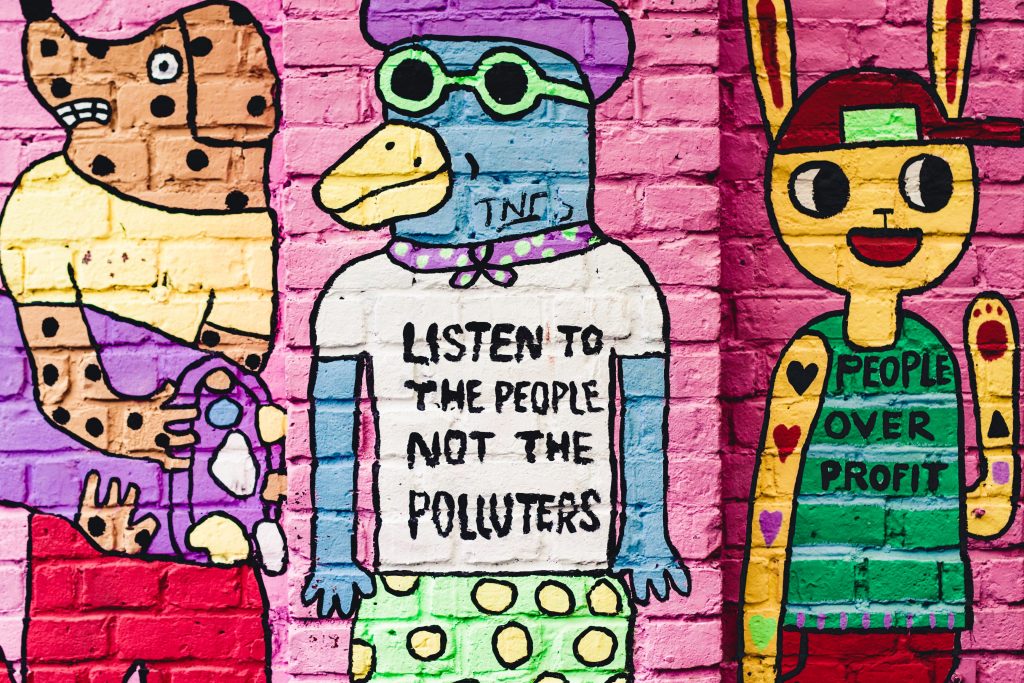
Picture: Nick Page via Unsplash
© Evidence-Based Advisers MMXXI


About The Author: Robin P
More posts by Robin P